When it comes to the world of exotic supercars, two titans consistently ignite debate among enthusiasts and purists: the McLaren 720S and the Porsche 911 Turbo S. Both are symbols of engineering brilliance, performance mastery, and jaw-dropping design. But when it comes down to the thrill — the raw, unfiltered adrenaline rush — which one comes out on top?
This isn’t just a numbers game. We’re diving deep into how these two supercars compare in terms of performance, aesthetics, driving experience, practicality, and long-term ownership. If you’re torn between the British-born beast and the German-engineered icon, buckle up — this guide is built to steer you through it all.
There’s something innately visceral about supercars. The roar of the engine, the aerodynamic curves, the razor-sharp handling — they are built not just for speed, but for emotion. Whether you’re a weekend warrior looking to dominate the track or a collector who appreciates innovation and craftsmanship, the 720S and 911 Turbo S deliver experiences that go far beyond transportation.
Why Compare the McLaren 720S and Porsche 911 Turbo S?
These two machines cater to a similar high-performance audience but in entirely different ways. The McLaren 720S, a carbon-fiber wonder born from Formula 1 DNA, is all about lightweight power and cutting-edge innovation. On the other hand, the Porsche 911 Turbo S is the high-tech evolution of a legend — retaining its timeless shape while injecting unrelenting speed, comfort, and confidence.
If you’re debating which to drive — or rent for an unforgettable experience — this head-to-head breakdown has you covered.
Engine Specs and Power Output
- Engine: 4.0-liter twin-turbocharged V8
- Horsepower: 710 hp (720 PS)
- Torque: 568 lb-ft
- Transmission: 7-speed dual-clutch
- Drivetrain: Rear-wheel drive
- Engine: 3.7-liter twin-turbocharged flat-six
- Horsepower: 640 hp
- Torque: 590 lb-ft
- Transmission: 8-speed PDK (dual-clutch)
- Drivetrain: All-wheel drive
While the Porsche has slightly more torque and one more gear, the McLaren’s higher horsepower combined with a lighter frame gives it a razor-sharp performance edge on paper.
0-60 MPH Times and Top Speed
- McLaren 720S: 0–60 mph in 2.7 seconds, top speed of 212 mph
- Porsche 911 Turbo S: 0–60 mph in 2.6 seconds, top speed of 205 mph
On a drag strip, the 911 Turbo S often delivers slightly faster launches thanks to its AWD system and launch control. But once you’re past the initial burst, the 720S’s aerodynamic design and power-to-weight ratio let it stretch ahead.
Track Performance and Lap Times
Multiple track tests (like Nürburgring and Hockenheimring) show these two often trade wins. The McLaren 720S is lighter, more agile, and extremely track-focused, whereas the 911 Turbo S impresses with its predictability and grip, even on wet surfaces. The McLaren feels like a scalpel — precise and deadly — while the Porsche is more like a guided missile: brutally fast, but forgiving.
McLaren 720S: The 720S is a stunner — pure drama from every angle. From its dihedral doors to the flowing aerodynamic lines, everything screams performance. The design is functional, too, with hidden air channels and active aerodynamics to keep airflow efficient.
Porsche 911 Turbo S: Timeless. That’s the word that defines the 911 silhouette. With its wide hips, integrated spoiler, and subtle aggression, the Turbo S looks like a refined evolution of its racing heritage. It may not turn heads like the McLaren, but it commands respect from every angle.
Interior and Cabin Experience
McLaren keeps things minimalist. The driver sits low, surrounded by Alcantara, carbon fiber, and an advanced digital gauge cluster that flips between track and street modes.
Porsche brings luxury and practicality to the party. The cabin is wrapped in leather, aluminum, and high-resolution touchscreens. It feels like a luxury GT car — but with rocket propulsion under your right foot.
Driving Experience and Handling
Track Performance vs. Street Use
The McLaren is purpose-built for the track. Its hydraulic suspension, rear-wheel drive, and featherlight construction make it blisteringly fast through corners. But it’s not as forgiving in tight urban environments or poor road conditions.
The Porsche, however, shines in real-world use. Whether it’s pouring rain or scorching summer heat, the AWD system ensures supreme confidence. It may not have the razor-edge drama of the McLaren, but it excels in delivering usable performance every single day.
Suspension, Braking, and Steering Feedback
- McLaren: The Proactive Chassis Control II system is a masterpiece. The suspension adapts in milliseconds to keep the car flat and composed through turns.
- Porsche: The PASM (Porsche Active Suspension Management) gives a more refined ride, while the ceramic brakes provide fade-free stops time after time.
Thrill Factor: Which One Gets Your Heart Racing?
If you live for the sound of turbos spooling behind your ears, the adrenaline of tail-out corner exits, and the joy of mastering every apex — the McLaren 720S is your pick. If you want supercar speed with GT comfort and the ability to dominate in any condition — the 911 Turbo S is unmatched.
Infotainment and Connectivity
- McLaren: Features an 8-inch vertical touchscreen with navigation and telemetry data. More race car than luxury cruiser, it offers fewer creature comforts.
- Porsche: Comes loaded with a 10.9-inch touchscreen, Apple CarPlay, Bose or Burmester sound system, and ambient lighting — luxury meets performance.
Driver Assistance and Safety
Porsche takes the lead here. With adaptive cruise control, lane keep assist, night vision, and traffic sign recognition, it offers far more tech than McLaren’s stripped-back racer.
- McLaren 720S: Starts around $301,500
- Porsche 911 Turbo S: Starts at $230,400
At face value, the McLaren demands a higher price. However, both can skyrocket in price with custom options and carbon fiber upgrades.
Maintenance and Reliability
The 911 Turbo S is world-renowned for its reliability, even under hard driving. Porsche’s customer service and dealer network are also second to none.
McLaren has improved, but long-term reliability can still be hit-or-miss. Maintenance costs and parts availability can also be steep.
Insurance and Depreciation
The 911 Turbo S typically holds its value well and has lower insurance premiums due to its reputation for safety and reliability. The 720S can depreciate more rapidly — especially if you’re not picky about specs and color combos.
Real Owner Opinions and Expert Reviews
- “The 911 Turbo S is the ultimate do-it-all car — it’s just always fast, always ready.”
- “The 720S is like a street-legal fighter jet — nothing feels quite as raw and alive.”
- Car and Driver praises the 720S for being “uncompromising in performance” and “one of the finest mid-engine cars ever created.”
- MotorTrend calls the 911 Turbo S “surgically fast, beautifully refined, and ruthlessly effective.”
Verdict: Which Supercar Reigns Supreme?
Summary of Key Differences
Which One Offers the Better Thrill?
If your definition of thrill is tied to track precision, speed, and an uncompromised connection between man and machine — the McLaren 720S is for you.
If your idea of thrill includes supercar speed with supreme comfort, daily usability, and unmatched German engineering — the Porsche 911 Turbo S wins your heart.
Bonus: How to Experience These Supercars Without Buying
Love the idea of driving these supercars but not ready to shell out $300k+?
The Rise of Exotic Car Rentals
Thanks to luxury rental services, you can now experience the thrill of a McLaren or Porsche for a day, weekend, or even a special event — without the ownership hassle.
Where to Rent a McLaren or Porsche in the DMV Area
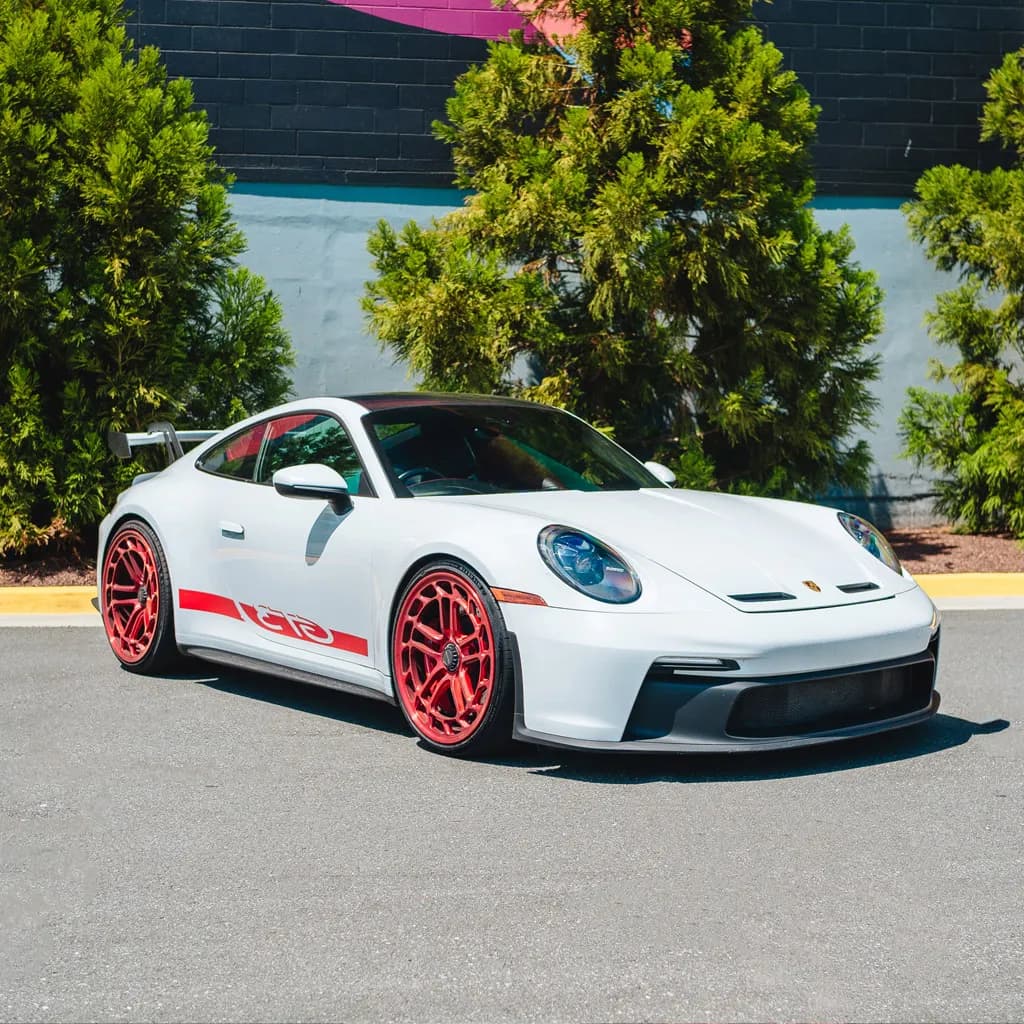
For those in Maryland, Virginia, and Washington D.C., Supercars By The Day offers a curated fleet of exotic cars — including the McLaren 570S, McLaren GT and Porsche 911 GT3 — and can source a 720S or 911 Turbo S on request (subject to availability). Whether you want to impress at a corporate event, plan the ultimate weekend drive, or just treat yourself to a dream, they’ve got you covered.